How Basement Waterproofing NJ Can Help Prepare Your Home for Sale
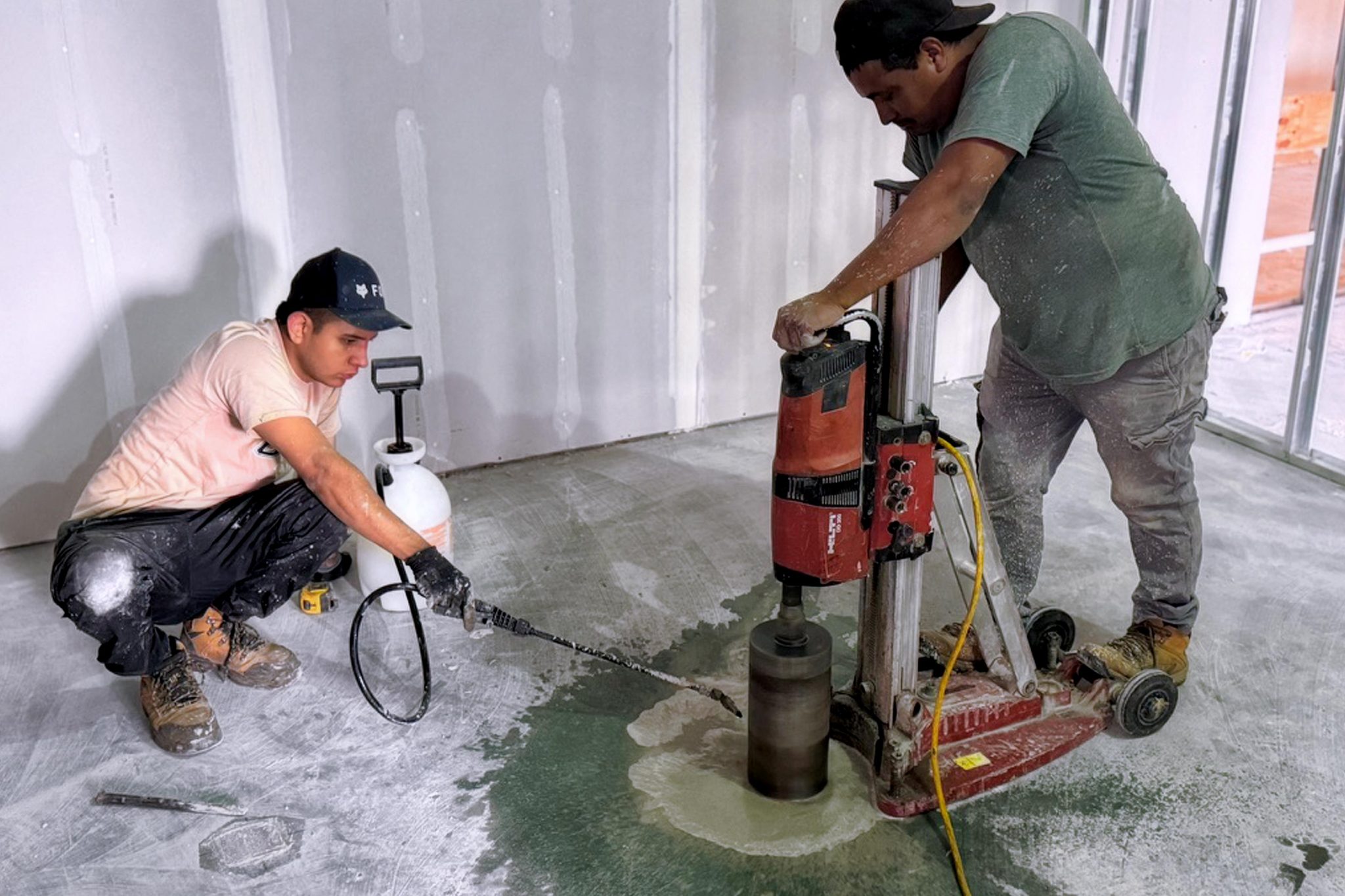
Selling a home in New Jersey is rarely just about fresh paint, staging, and curb appeal. Buyers notice what is under the surface, and nowhere is that more true than in the basement. A basement can either support your asking price or quietly undermine it. The smell of damp concrete, a faint water line on the wall, efflorescence near the floor joint, or a dehumidifier running in the corner can raise doubts fast. Buyers may not know exactly what they are seeing, but they know enough to worry.
That is why Basement Waterproofing NJ becomes especially relevant when a sale is on the horizon. In many parts of New Jersey, basements deal with a predictable mix of heavy rain, high water tables, older foundations, clay soils, and seasonal freeze-thaw movement. Those conditions can turn a minor seepage issue into a red flag during a home sale. Even if the basement has never flooded in a dramatic way, signs of moisture can affect inspections, appraisals, negotiations, and the buyer’s sense of confidence.
A dry basement tells a different story. It suggests the home has been maintained. It reduces buyer anxiety. It can limit last-minute credits and repair demands. Most important, it gives you a stronger position when questions come up, because they always do.
Buyers read a basement like a report card
When buyers tour a house, they often react emotionally upstairs and analytically downstairs. Kitchens and living rooms may create the first impression, but the basement tends to shape trust. If that lower level feels dry, solid, and clean, people assume the house has good bones. If it feels musty or looks patched together, they begin to imagine hidden expenses.
I have seen buyers overlook dated tile, old cabinets, and worn carpet if the basement feels sound. I have also seen otherwise enthusiastic buyers cool off the moment they spot moisture stains behind stored boxes or smell mildew near the stairs. That reaction is not irrational. Water issues suggest more than inconvenience. They hint at mold risk, damaged finishes, foundation pressure, ruined storage, and recurring maintenance costs. Buyers know they may inherit all of it.
In New Jersey, this concern carries extra weight because many buyers have either experienced basement moisture firsthand or know someone who has. They understand that one wet season can change the economics of ownership. A home that seems attractively priced can become less attractive if the buyer expects to spend several thousand dollars on drainage work soon after closing.
That is why waterproofing before listing often does more than solve a practical problem. It changes the narrative around the property. Instead of the basement being a question mark, it becomes a point of reassurance.
Water problems rarely stay hidden during the sale process
Some sellers hope a dehumidifier, a coat of waterproof paint, or careful staging will be enough to get through showings. Sometimes that might help with first impressions, but it usually does not survive the inspection period. Home inspectors are trained to look for signs of moisture intrusion. They notice patched cracks, rust on the bottom of metal columns, swollen trim, white mineral deposits, and freshly painted areas that seem suspiciously selective.
Even if an inspector cannot certify the full extent of a water issue, they can note conditions that warrant further evaluation. Once that note appears in the report, the buyer has leverage. They may ask for repairs, request a credit, bring in a foundation specialist, or simply walk away. A problem you hoped would remain in the background becomes the central issue in the deal.
This is one reason proactive Basement Waterproofing NJ services can make financial sense before a home goes on the market. Addressing the issue early gives you time to diagnose it properly and choose the right remedy, rather than making rushed decisions under contract deadlines. It also lets you document the work, which matters more than many sellers realize.
A documented fix is easier to discuss than an unexplained symptom. “There used to be seepage at the cove joint during heavy storms, and we had an interior drainage system with sump pump installed by a licensed contractor last spring” lands very differently than “We never really had a problem, except that one time after a big storm.”
Waterproofing is not one product, and that matters
One of the biggest misconceptions around basement moisture is that waterproofing is a single treatment. In practice, it is a category of solutions. The right approach depends on how water is getting in, how often, and what the structure is dealing with outside.
Some basements have minor seepage through wall cracks. Others have hydrostatic pressure pushing water up at the floor joint. Some suffer from poor exterior grading or short downspouts that dump roof runoff near the foundation. In older New Jersey homes, especially those with stone or block foundations, moisture behavior can be very different from what you see in a poured concrete basement built 20 years ago.
That is why cosmetic fixes tend to disappoint. Waterproof paint can reduce vapor transmission in some cases, but it will not stop liquid water under pressure. A dehumidifier can control humidity, but it will not solve active intrusion. Re-caulking around a basement window might help one localized problem, but it will not address foundation drainage. Buyers, inspectors, and experienced agents all know the difference between management and correction.
A credible waterproofing plan starts with diagnosis. Where is the moisture coming from? Is it surface water, groundwater, plumbing, condensation, or some combination? Does the problem occur only during storms, or year-round? Is there visible cracking, wall bowing, or evidence of repeated saturation? The answers shape both the cost and the value of the repair.
The return is not always direct, but it is often real
Homeowners sometimes ask whether waterproofing will add a specific dollar amount to the sale price. Real estate does not work that neatly. Basement waterproofing usually does not operate like a flashy kitchen remodel where buyers can point to a visible upgrade and assign obvious value. Its impact is often quieter, but no less important.
A dry basement can protect value in at least three ways. First, it can prevent price reductions that stem from buyer fear. Second, it can reduce the odds of repair credits after inspection. Third, it can widen the pool of interested buyers by making the property feel safer and easier to finance.
The financing point matters. Some loan programs and some appraisers are especially sensitive to moisture issues, mold-like conditions, or signs of structural distress. A basement that appears compromised can complicate the transaction even when buyer and seller are otherwise aligned. Waterproofing does not guarantee a smoother appraisal, but unresolved water issues can absolutely create friction.
There is also a practical reality in pricing strategy. Homes with known basement concerns often have to build in a discount because buyers assume the worst. And buyers tend to overestimate the cost of uncertainty. A seller may think, “It only gets a little damp once or twice a year.” A buyer may hear, “This could be a $20,000 problem.” Proper waterproofing helps close that gap.
New Jersey homes bring their own basement challenges
Local conditions shape how waterproofing should be approached. New Jersey is not one uniform market or one uniform set of soil conditions. A home in Bergen County can behave differently from one in Monmouth, Camden, Essex, or Morris. Coastal areas, inland suburbs, older urban neighborhoods, and wooded lots with sloped terrain all create different drainage patterns and risks.
Older homes often have foundations that were built before modern waterproofing standards became common. That does not make them defective, but it does mean they may rely on systems and materials that have aged, shifted, or become less effective over time. In some neighborhoods, homes sit close together and drainage improvements are constrained by lot size. In others, tree roots and settled hardscaping create negative grading that sends water back toward the house.
Then there is weather. New Jersey gets heavy summer downpours, winter freeze-thaw cycles, and occasional extreme events that test drainage systems. A basement that seemed acceptable in dry weather can reveal its weaknesses during one wet season, which is exactly the kind of timing that can disrupt a listing.
This is why local experience matters. A contractor familiar with Basement Waterproofing NJ conditions is more likely to recognize patterns that a generalist might miss. They may know, for example, when an exterior excavation makes sense and when an interior perimeter system is the more practical answer. They may also be more realistic about what can be guaranteed in a given property type.
What sellers should fix before listing, and what can wait
Not every basement needs a full-scale waterproofing project before a sale. Some need targeted improvements, some need a complete system, and some simply https://claytonbneg230.westhavenscope.com/posts/basement-waterproofing-nj-techniques-that-work-in-flood-prone-areas need better moisture control and documentation. Judgment matters here.
If there is active water intrusion, recurring dampness after rain, visible mold growth, or a history of seepage that you have been managing informally, it is wise to address it before listing. Those are the issues most likely to surface during inspection and trigger buyer concern.
If the basement is dry but humid in summer, the solution may be less dramatic. Better ventilation, sealing obvious air leaks, servicing the dehumidifier, insulating cold water lines, or correcting minor condensation issues may be enough. The point is not to overspend. The point is to solve the problem that actually exists.
One mistake sellers make is tackling only the symptom that is easiest to see. They replace damaged drywall or flooring but leave the water pathway untouched. The basement looks cleaner for a while, yet the underlying issue remains, ready to show itself at the worst possible time. Another mistake is doing the opposite, installing a system without cleaning up the visual aftermath. Even when the problem has been solved, stained walls, warped base trim, or a musty smell can keep buyers uneasy.
The best pre-sale approach often combines repair with presentation. Fix the cause, then make the space look as dry and orderly as it now is.
The most common waterproofing measures buyers respect
Buyers do not expect every basement to look like a luxury lower level, but they do respond well to certain practical upgrades, especially when they are professionally installed and easy to explain.
Here are the improvements that tend to carry weight during a sale:
- Correcting exterior drainage, such as extending downspouts and improving grading near the foundation.
- Sealing structural or non-structural cracks where appropriate.
- Installing an interior drainage system and sump pump when groundwater intrusion is the issue.
- Replacing damaged finishes and removing musty materials after the moisture source is fixed.
- Providing clear records, transferable warranties if available, and proof of professional installation.
That last point deserves emphasis. Documentation reduces suspicion. A buyer who sees invoices, warranty information, and a straightforward explanation of the work is more likely to treat the issue as resolved rather than hidden.
Timing matters more than many sellers expect
Waterproofing is not a project to leave for the week before photos are scheduled. Good contractors are often booked, especially during wet seasons when calls spike. Some repairs are quick, but others take planning. Exterior work can be weather dependent. Interior systems may be installed in a day or two, but cleanup, painting, drying, and odor control can add time.
There is also value in observing the basement after repairs are complete. If possible, you want to see how the system performs through at least one meaningful rain event before you list. That gives you confidence, and it gives you a more honest story to tell if buyers ask detailed questions.
From a marketing standpoint, the earlier you handle basement issues, the more smoothly the rest of your prep can proceed. Stagers and photographers can work without trying to disguise problem areas. Agents can market the basement as dry, usable space rather than vaguely calling it “unfinished storage.” Even if the lower level is not living space, buyers assign value to clean, reliable square footage.
Disclosure is easier when the problem has been addressed
Sellers often worry that waterproofing work will scare buyers because it implies there was once a problem. In practice, unresolved problems usually scare buyers more than resolved ones. Most experienced buyers understand that many homes, especially in New Jersey, have had drainage or moisture improvements at some point. What they want to know is whether the issue was handled responsibly.
A home with a disclosed history of seepage, followed by a professional remedy and no further trouble, can still sell well. A home with vague answers, suspiciously fresh paint, and a damp smell tends to invite low offers and hard bargaining.
This is one of those areas where honesty and preparation work together. If you have records, if the basement is dry, and if you can explain the work calmly, the conversation tends to stay manageable. If you are improvising explanations while hoping no one notices the odor, the deal can start to unravel.
Basement condition affects how the whole house is perceived
It is easy to think of waterproofing as a basement-only issue, but buyers do not compartmentalize that way. A wet basement can make them question the entire property. They may wonder about air quality upstairs, hidden mold behind finished walls, structural movement, or deferred maintenance in other systems. Once doubt spreads, every old window and every aging appliance seems riskier.
The opposite is also true. A dry, orderly basement creates confidence that extends to the rest of the house. It suggests the owners dealt with problems instead of postponing them. That impression has real value during negotiation because trust affects how buyers interpret everything else they see.
I have watched two similar homes compete in the same market, with similar square footage and similar updates. The one with the cleaner, drier basement moved faster and with less negotiation, even though the upstairs differences were modest. Buyers used the basement as a tiebreaker. It became proof that one home felt safer to own.
When waterproofing may not be the full answer
There are cases where waterproofing alone is not enough. If the basement shows signs of structural movement, such as bowed walls, large step cracking in block, or recurring movement around windows and doors, a broader foundation evaluation may be needed. If there has been repeated flooding with contaminated water, remediation may matter as much as waterproofing. If a finished basement traps moisture behind walls or under flooring, selective demolition may be the right move before relisting the space as healthy and usable.
This is where sellers need sound advice, not sales pressure. The goal is not to buy the biggest system available. The goal is to identify what would concern a prudent buyer and fix it credibly. Sometimes that means investing more than you hoped. Sometimes it means resisting unnecessary add-ons that will not change the sale outcome.
A good contractor or consultant should be able to explain the difference.
Choosing the right contractor before you put the house on the market
Not all waterproofing companies approach diagnosis or scope the same way. Some specialize in interior systems, some in exterior excavation, some in foundation repair, and some in general moisture control. Sellers preparing for a sale benefit from contractors who can communicate clearly and document their recommendations in plain language.
When evaluating a company for Basement Waterproofing NJ work, it helps to focus on a few practical questions rather than sales promises.
Ask how they determined the water source. Ask whether the proposed system addresses the cause or mainly manages the symptom. Ask what maintenance will be required after installation. Ask whether there is a warranty and whether it transfers to the next owner. Ask what visible finishes may need replacement once the work is complete.
Those answers matter because they become part of your sales story. A buyer may never meet the contractor, but they will feel the difference between a coherent repair plan and a vague patch job.
The basement does not need to be perfect, it needs to feel dependable
Perfection is not the standard in most home sales. Dependability is. Buyers can accept that an older basement may have a few age-related imperfections. They are less willing to accept uncertainty around water.
That distinction helps sellers make better decisions. You do not need to transform every basement into a finished showcase. You do need to deal with conditions that create fear, odor, visible moisture, or future expense. When those issues are handled well, the entire home becomes easier to price, show, and negotiate.
A dry basement has a quiet kind of value. It does not always make the listing photos sparkle, but it supports almost every other part of the transaction. It strengthens buyer confidence, reduces inspection drama, and protects the credibility of your asking price. In a state where below-grade moisture is a common and expensive concern, that kind of confidence is worth more than many sellers realize.
If you are planning to sell, it is worth taking a serious look downstairs before the first showing ever happens. The basement may not be the reason a buyer falls in love with the house, but it can absolutely be the reason they feel safe making an offer.
ARD Waterproofing
Address: 98 Smull Ave, West Caldwell, NJ 07006
Phone number: +12016465936
FAQ About Basement Waterproofing NJ
What is the best waterproofing method for a basement?
The best overall approach to waterproofing a basement is a combined exterior and interior system that stops water at the foundation wall and safely manages any moisture that gets through.
What is the average cost to waterproof a basement?
The average cost to waterproof a basement ranges from $2,500 to $15,000, with most homeowners paying around $5,200 for a complete project.
Can a basement be waterproofed from the inside?
Yes, a basement can be waterproofed from the inside, and it is often the most affordable and least disruptive method.