How Basement Waterproofing NJ Helps Avoid Expensive Emergency Repairs

A wet basement rarely stays a small problem for long. In New Jersey, that is especially true. Homes across the state deal with a stubborn mix of heavy rain, snowmelt, coastal humidity, older foundations, and neighborhoods where drainage was never ideal to begin with. What starts as a faint musty smell in April can turn into soaked carpet, warped studs, ruined storage, and a frantic call to a contractor during the next storm.
Homeowners often think of waterproofing as a cleanup issue or a comfort upgrade. In practice, it is much closer to risk management. Good waterproofing reduces the chance that a manageable maintenance concern becomes an emergency repair with a much larger price tag attached. That is the real value of Basement Waterproofing NJ services when they are done properly. They help prevent the kind of chain reaction that damages finishes, weakens building materials, and forces rushed decisions under pressure.
Why emergency basement repairs get so expensive
Emergency repairs cost more for reasons that go beyond labor rates. Urgency changes everything. When water is already entering the basement, the homeowner is no longer comparing options carefully. The priority becomes stopping damage immediately, often during a storm, over a weekend, or after normal business hours. That is when temporary fixes, premium service fees, and broad remediation work start stacking up.
A single leak at the cove joint, where the wall meets the floor, can be deceptive. It may look like a minor seepage line. But if that water saturates insulation, drywall, flooring, and framing, the repair expands. The fix is no longer about one point of entry. Now it includes demolition, drying equipment, mold prevention, disposal, and rebuilding. If electrical components were exposed, the scope grows again. If the https://shanertgw484.capitaljays.com/posts/basement-waterproofing-nj-for-safe-and-dry-basement-storage furnace, water heater, or stored belongings were affected, the cost multiplies quickly.
I have seen homeowners spend years ignoring occasional damp spots because the water never rose high enough to trigger panic. Then one intense storm filled the perimeter trench area below the slab, hydrostatic pressure built up, and water entered across a wide section of the basement floor. The cleanup itself was bad enough. The real financial hit came from everything that had to happen after cleanup.
That pattern is common. Basements do not always fail dramatically at first. They often send quieter warnings.
New Jersey homes have some predictable vulnerabilities
Basement water problems in New Jersey are not random. They follow a few familiar patterns, though the exact cause varies by home age, location, and construction type.
Older homes in North Jersey may have fieldstone or block foundations that were never designed with modern drainage expectations. Homes in central parts of the state may deal with clay-heavy soils that hold water against the foundation. Coastal and low-lying areas can struggle with high groundwater levels and persistent moisture even when rainfall is not extreme. Add freeze-thaw cycles in winter, and small cracks often widen over time.
A house does not need to flood outright to have a waterproofing problem. Seepage through porous masonry, condensation on cool walls, chronic dampness near one corner, or recurring puddles after prolonged rain all point to moisture management issues. In many cases, the emergency repair was avoidable months or years earlier with targeted waterproofing work.
That is why the phrase Basement Waterproofing NJ matters more than it might seem at first glance. Waterproofing in New Jersey is not one generic service. It requires local judgment about soil behavior, grading, seasonal weather, and foundation styles. What works on one property in Monmouth County may not be enough for a home in Essex or Morris County.
The hidden path from moisture to structural damage
Water does not need dramatic force to do expensive damage. Slow exposure is often worse because it goes unnoticed. Concrete and masonry can tolerate moisture to a point, but repeated wetting and drying cycles wear on the system. Mortar joints weaken. Efflorescence appears. Wood framing absorbs moisture and swells. Metal fasteners corrode. Insulation loses performance. Finished basement materials, especially standard drywall and laminate flooring, tend to fail early.
One of the costliest misconceptions is that waterproofing only matters when visible water appears on the floor. Many basements spend long periods in a high-moisture state before standing water shows up. That moisture feeds mold growth behind finished walls, under stair framing, and around stored boxes where air movement is poor. By the time a homeowner notices a smell, the source may be widespread enough to require containment, material removal, and air treatment.
Structural concerns can also build quietly. Persistent exterior water pressure against foundation walls can worsen cracking. In block foundations, water can collect within the hollow cores and create ongoing deterioration. In more severe cases, walls begin to bow inward or show stair-step cracking. At that stage, you are no longer talking about simple waterproofing. You are discussing structural stabilization, which is a different level of expense entirely.
Waterproofing works best when it solves the cause, not the symptom
Some homeowners spend years trying one-off fixes. They patch an interior crack, run a dehumidifier, repaint the wall, or move storage off the floor. Those steps can help manage conditions, but they do not always stop the actual water pathway.
Professional Basement Waterproofing NJ work usually starts with diagnosis. That means figuring out whether the problem is coming from surface runoff, hydrostatic pressure, foundation cracking, failed window wells, poor grading, roof drainage, plumbing leaks, or simple interior humidity. A good contractor does not prescribe the same system for every basement. They look at how water is behaving on that property.
Exterior grading is a common example. If the soil slopes toward the house, every storm pushes water against the foundation instead of away from it. Sometimes the smartest first move is not a major interior system. It is correcting drainage at the surface, extending downspouts, adjusting landscaping, and relieving water concentration near the foundation. Those are not glamorous fixes, but they often prevent larger failures.
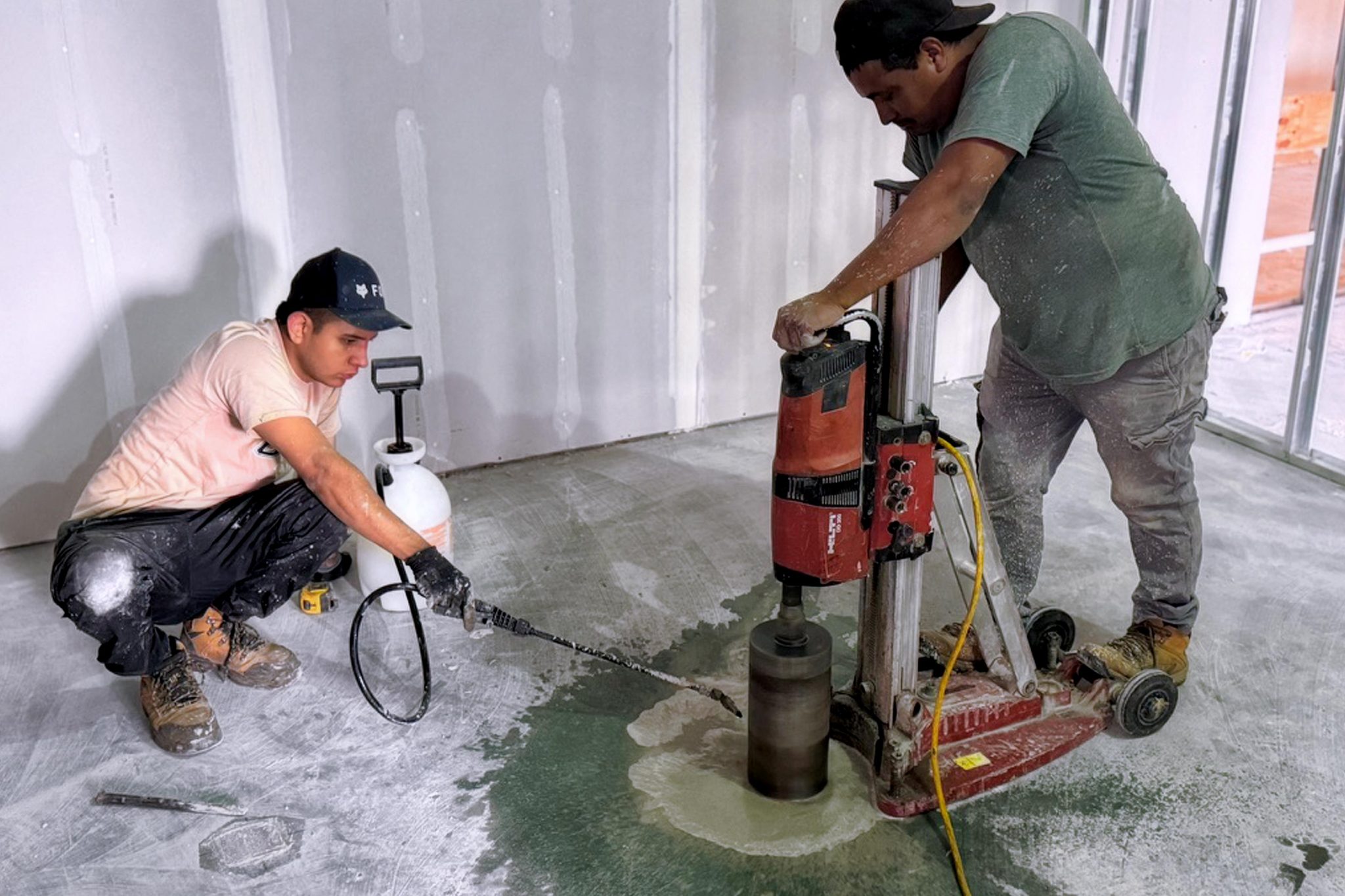
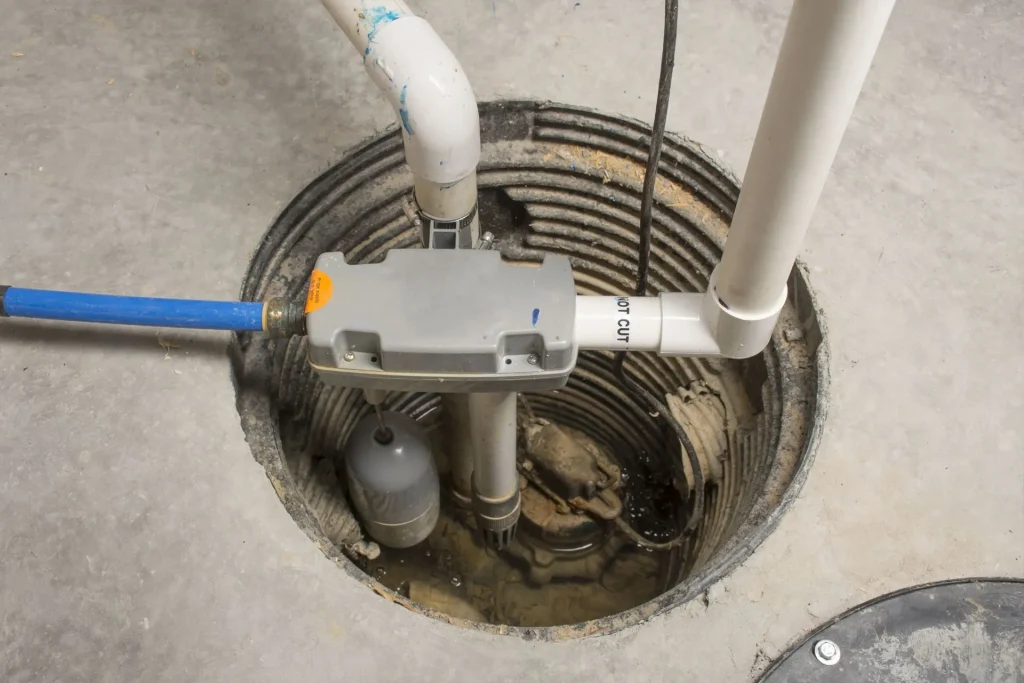
In other homes, interior drainage is the right answer. If groundwater pressure under the slab is the main issue, a perimeter drain and sump pump system may be the most reliable defense. When installed correctly, those systems control where water goes before it reaches the finished space. That is much cheaper than replacing flooring, drywall, and personal property after each major storm.
The repair bill grows fast once finishes are involved
Unfinished basements forgive a lot. Finished basements do not. Once a basement has framed walls, flooring, trim, electrical outlets, and furniture, the damage curve steepens.
A minor seepage event in an unfinished utility space might require a service call and some drying. The same event in a finished family room can involve baseboard removal, wall cuts, moisture readings, fan setup, disposal of wet materials, and reconstruction. If the basement includes a bathroom, home office, or guest room, there may be cabinetry, electronics, and soft furnishings to replace as well.
This is where preventative spending starts to make financial sense, even for homeowners who have only seen occasional dampness. A waterproofing project can feel elective until you compare it to the combined cost of emergency extraction, restoration, mold treatment, and finish replacement. Emergency work also comes with disruption. A basement that serves as living space may be unusable for weeks.
There is another point people often miss. Insurance coverage for basement water issues can be limited or highly specific. Many policies do not cover groundwater intrusion the way homeowners assume. By the time that misunderstanding becomes clear, the owner is already facing direct out-of-pocket costs.
Sump pumps are not a luxury in the right basement
Some homeowners resist sump pump installation because they associate it with severe basement problems. In reality, a sump system is often a practical control measure in areas where water pressure is simply part of the local environment.
The key is to think of a sump pump as a management tool, not a sign of defeat. If water naturally collects around or beneath the foundation, giving it a controlled exit point is sensible. It is far better for water to enter a designed drainage channel and discharge safely than to rise through cracks or slab joints into finished space.
That said, sump systems need thoughtful design. A cheap pump dropped into a pit is not enough. Discharge location matters. So does backup power. New Jersey storms are notorious for knocking out power at exactly the wrong time. A battery backup or water-powered backup can be the difference between a close call and a flooded basement.
Homeowners should also understand maintenance. Pumps fail. Floats stick. Discharge lines freeze. A waterproofing system only helps avoid emergencies if someone checks that it still works.
Small exterior fixes often prevent big interior headaches
Not every waterproofing solution involves excavation or interior trenching. Some of the best returns come from correcting the way water reaches the home in the first place.
Here are five preventative measures that often make a noticeable difference:
- Extend downspouts far enough to discharge water well away from the foundation.
- Regrade soil so it slopes away from the house instead of settling inward over time.
- Keep gutters clean, especially before spring rains and fall storms.
- Repair cracked or poorly sealed basement windows and window wells.
- Address hardscape issues, such as patios or walkways that pitch water toward the structure.
None of those measures is a cure-all. A house with strong groundwater pressure may still need an interior system. But when surface water is part of the problem, these fixes can dramatically reduce the load on the foundation. They also cost far less than repairing repeated water damage inside.
Why timing matters more than many homeowners realize
There is a narrow window when basement waterproofing is most cost-effective. It comes after the first warnings but before broad material damage sets in. Miss that window, and the project changes from prevention to recovery.
For example, a hairline crack in poured concrete may be straightforward to inject and monitor when caught early. Left alone through multiple wet seasons, that same crack can widen, stain surrounding materials, and contribute to hidden mold behind finished walls. The waterproofing itself may still be manageable, but now the homeowner also has to open walls, test moisture spread, and replace finishes.
Seasonality matters too. Many people wait until the wettest part of the year to act, because that is when the problem becomes obvious. Contractors are busiest then, and emergency response schedules tighten. Planning waterproofing work in drier periods can improve scheduling, reduce panic, and allow more careful evaluation of options.
In New Jersey, late summer and early fall often reveal what spring already started. A homeowner notices the musty smell has not gone away, or sees powdery residue on the wall, or realizes boxes stored in one corner feel damp every year. That is the right time to investigate, not after the next nor'easter.
What a thorough waterproofing assessment should include
A proper inspection should go beyond the basement itself. The basement is where the symptom appears, but the cause often starts outdoors.
A careful contractor usually checks roof drainage, downspout discharge, grading, nearby hardscape pitch, foundation wall condition, visible cracks, humidity levels, signs of previous patchwork, and whether the basement moisture pattern changes with weather. They also ask practical questions. Does the problem happen after every rain, only after long storms, during snowmelt, or even in dry weather? Does water appear at one wall, around the perimeter, near utility penetrations, or from the slab?
Those details matter because different water behaviors suggest different fixes. Water that appears only after intense rain may point toward overwhelmed surface drainage. Water that seeps consistently along the floor edge often points toward hydrostatic pressure. Dampness isolated around one utility line could indicate a penetration issue rather than a full-system failure.
A good assessment also includes some restraint. If a house only needs targeted crack repair and drainage correction, selling a full perimeter system is not necessarily good practice. On the other hand, if the basement has repeated seepage from multiple sides and visible pressure signs, minimal patchwork may be wasted money. Experience shows in these judgment calls.
Not all waterproofing methods are equal, and that matters for repair avoidance
Homeowners understandably want the least invasive option. Sometimes that works. Sometimes it only delays the inevitable.
Interior sealants, for example, can improve appearance and modestly reduce vapor transmission, but they are rarely sufficient as the primary solution when actual water intrusion is present. They do not relieve pressure outside the wall. If the source remains active, the problem usually returns.
Exterior waterproofing can be very effective because it stops water before it reaches the wall, but it is also more disruptive and expensive. Excavation is not always practical, especially with tight lot lines, patios, mature landscaping, or additions. Interior drainage systems are often chosen because they control water with less disruption, even though they do not prevent the wall from getting wet in the first place. That trade-off can still be completely reasonable depending on the structure and the moisture pattern.
The point is not that one method is always best. The point is that choosing correctly helps avoid the really expensive scenario, which is paying for the wrong fix and then paying again for cleanup when it fails.
A brief example from a common New Jersey scenario
Consider a split-level home with a semi-finished lower level, the kind seen all over parts of Bergen, Union, and Middlesex counties. The owners notice occasional dampness near one corner after prolonged rain. They run a dehumidifier and keep storage off the floor. For two years, nothing dramatic happens.
Then a summer storm drops several inches of rain in a short period. The corner seepage becomes broad water entry along two walls. The laminate flooring buckles. Drywall wicks moisture up several inches. A nearby outlet has to be shut off until an electrician checks it. Fans run for days, but the wall cavity still needs opening. The homeowners lose stored items, pay for emergency drying, schedule electrical work, remove and replace finishes, and finally install the drainage solution they could have addressed earlier.
That story is not unusual. The emergency was not just the storm. The emergency was the combination of storm intensity and unresolved vulnerability.
The long-term financial value is broader than repair savings
Avoiding emergency repair costs is the headline benefit, but it is not the only one. A dry basement supports healthier indoor air, protects mechanical systems, and preserves usable space. It can also reduce the hesitation buyers feel when they detect moisture concerns during a home sale.
Real estate transactions in New Jersey often bring basement issues to the surface fast. A home can look excellent upstairs and still lose leverage if the inspection finds seepage, staining, mold-like odors, or signs of recurring water intrusion. Buyers know that basement repairs can spread beyond simple cleanup. They factor in uncertainty, and uncertainty usually shows up as a lower offer or a demand for credits.
Waterproofing also helps owners use the basement with more confidence. That might mean finishing part of it, storing seasonal items without worry, or simply not dreading every heavy rain forecast. While peace of mind is hard to price, anyone who has vacuumed water at midnight during a storm understands its value immediately.
What homeowners should do before the next heavy rain
If you have seen even mild warning signs, act while you still have time to compare options calmly. Do not wait for visible flooding. Musty odors, efflorescence, damp walls, rusting metal, peeling paint, or repeated condensation can all justify a professional look.
A practical next step is straightforward:
- Walk the exterior during or after rainfall and look for pooling near the foundation.
- Check gutters, downspouts, and discharge points for obvious drainage problems.
- Inspect the basement for stains, cracks, white residue, and moisture at wall-floor joints.
- Test any sump pump you already have and confirm the discharge line is clear.
- Get an experienced waterproofing contractor to assess the full picture, not just the symptom you can see.
That kind of inspection does not commit you to a major project. It gives you information early, when the stakes are lower and solutions are usually less disruptive.
Basement waterproofing is really about controlling risk
The biggest mistake homeowners make is assuming basement water has to become dramatic before it becomes expensive. In reality, most costly basement emergencies begin as ordinary warning signs that were easy to rationalize away. A little dampness. A faint smell. A crack that looked cosmetic. A downspout that drained a bit too close to the house.
Basement Waterproofing NJ services help break that progression. They address the routes water takes, reduce pressure on vulnerable foundation areas, and keep minor issues from escalating into urgent repair events. When done with proper diagnosis and realistic expectations, waterproofing is not just a moisture solution. It is a way to protect the structure, the finishes, the systems inside the home, and the budget that would otherwise be forced to absorb a preventable emergency.
For New Jersey homeowners, that kind of prevention is not abstract. It is practical. One heavy storm is often enough to show the difference between a basement that was prepared and one that was merely hoped over.
ARD Waterproofing
Address: 98 Smull Ave, West Caldwell, NJ 07006
Phone number: +12016465936
FAQ About Basement Waterproofing NJ
What is the best waterproofing method for a basement?
The best overall approach to waterproofing a basement is a combined exterior and interior system that stops water at the foundation wall and safely manages any moisture that gets through.
What is the average cost to waterproof a basement?
The average cost to waterproof a basement ranges from $2,500 to $15,000, with most homeowners paying around $5,200 for a complete project.
Can a basement be waterproofed from the inside?
Yes, a basement can be waterproofed from the inside, and it is often the most affordable and least disruptive method.